
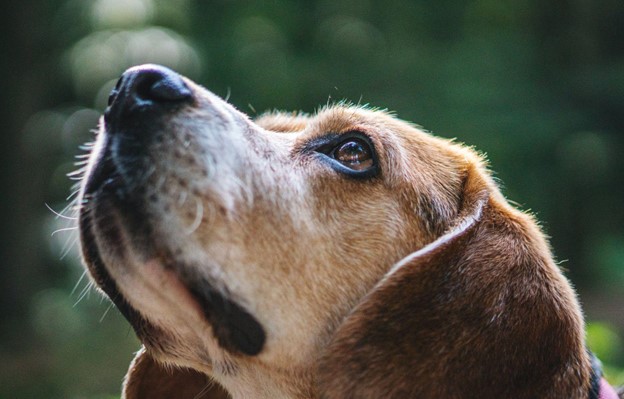
Understanding the Needs of Senior Dogs
As dogs age, their physical and emotional needs change significantly. It is crucial for pet owners to recognize these shifts to provide appropriate care. Senior dogs may experience decreased mobility, altered dietary needs, and changes in behavior, which require adjustments in their daily routines.
For example, a senior dog may need a softer diet that is easier to chew and digest, as well as more frequent vet visits to monitor health changes. Additionally, incorporating gentle exercises and mental stimulation can help maintain their quality of life, ensuring they feel loved and supported during their golden years.
Common Health Issues in Aging Dogs
Aging dogs are prone to various health issues that can affect their quality of life. Common conditions include arthritis, heart disease, and cognitive dysfunction syndrome, which can manifest as confusion or changes in behavior. Recognizing the signs of these health problems early can lead to better management and treatment options.
For instance, regular veterinary check-ups can help in early detection of these issues. Treatments may range from medication for pain relief in arthritic dogs to dietary changes that support heart health. By being proactive and attentive, pet owners can significantly improve their senior dog's well-being.
Grooming Tips for Senior Dogs
Grooming is an essential aspect of caring for senior dogs, as it not only keeps them clean but also allows owners to check for any health issues. Older dogs may require more frequent grooming sessions to manage shedding and maintain coat health, especially if they have long hair.
Moreover, grooming sessions can serve as an opportunity to examine the dog's skin for lumps or irritations. Using gentle, non-irritating products and being mindful of their comfort during grooming can make the process enjoyable for both the pet and the owner, reinforcing the bond between them.
Enhancing Quality of Life for Senior Dogs
Improving the quality of life for senior dogs involves a combination of physical, mental, and emotional support. Providing a comfortable living environment, engaging in gentle play, and maintaining a routine can help senior dogs feel secure and content as they age.
Additionally, incorporating activities like short walks, interactive toys, and even socialization with other dogs can stimulate their minds and bodies. Ensuring that they have a cozy place to rest and receive plenty of love and attention from their owners can significantly enhance their overall happiness during their senior years.
Understanding the Needs of Senior Dogs
As dogs age, their physical and emotional needs change significantly. It is crucial for pet owners to recognize these shifts to provide appropriate care. Senior dogs may experience decreased mobility, altered dietary needs, and changes in behavior, which require adjustments in their daily routines.
For example, a senior dog may need a softer diet that is easier to chew and digest, as well as more frequent vet visits to monitor health changes. Additionally, incorporating gentle exercises and mental stimulation can help maintain their quality of life, ensuring they feel loved and supported during their golden years.
Common Health Issues in Aging Dogs
Aging dogs are prone to various health issues that can affect their quality of life. Common conditions include arthritis, heart disease, and cognitive dysfunction syndrome, which can manifest as confusion or changes in behavior. Recognizing the signs of these health problems early can lead to better management and treatment options.
For instance, regular veterinary check-ups can help in early detection of these issues. Treatments may range from medication for pain relief in arthritic dogs to dietary changes that support heart health. By being proactive and attentive, pet owners can significantly improve their senior dog's well-being.
Grooming Tips for Senior Dogs
Grooming is an essential aspect of caring for senior dogs, as it not only keeps them clean but also allows owners to check for any health issues. Older dogs may require more frequent grooming sessions to manage shedding and maintain coat health, especially if they have long hair.
Moreover, grooming sessions can serve as an opportunity to examine the dog's skin for lumps or irritations. Using gentle, non-irritating products and being mindful of their comfort during grooming can make the process enjoyable for both the pet and the owner, reinforcing the bond between them.
Enhancing Quality of Life for Senior Dogs
Improving the quality of life for senior dogs involves a combination of physical, mental, and emotional support. Providing a comfortable living environment, engaging in gentle play, and maintaining a routine can help senior dogs feel secure and content as they age.
Additionally, incorporating activities like short walks, interactive toys, and even socialization with other dogs can stimulate their minds and bodies. Ensuring that they have a cozy place to rest and receive plenty of love and attention from their owners can significantly enhance their overall happiness during their senior years.