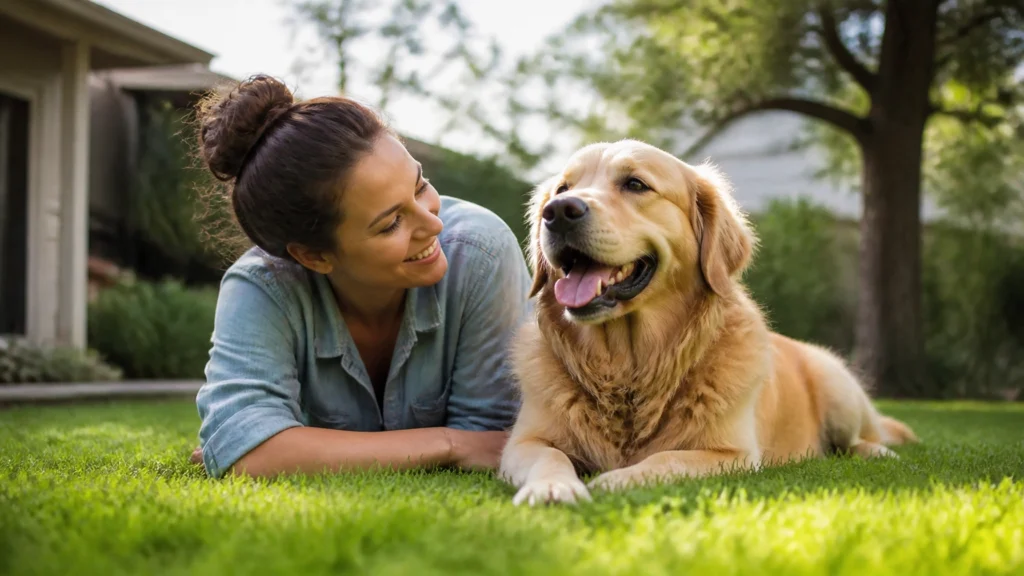
We all know the feeling. You’re finally home after a long day, and you just want to kick back in the yard with your furry best friend. Your dog is happy, the grass looks great, and for a moment, everything is perfect. Then, you see it: or worse, you smell it. That one chore that always seems to sit at the bottom of the to-do list: the yard scoop.
It’s a universal truth for dog owners: we absolutely adore our pets, but we could definitely live without the “presents” they leave behind. It’s easy to think of pet waste as just a personal inconvenience: a localized “ew” factor confined to your own fence line. But the truth is, what happens in your backyard doesn’t actually stay in your backyard.
In this guest post from the team over at Pet Scoop, we’re diving into why keeping your lawn clean is about so much more than just avoiding a messy shoe. It’s about the health of your neighbors, the safety of our local parks, and the quality of the water we all share.
The Invisible Travelers: How Waste Moves Through Your Neighborhood
You might look at a stray pile of poop and think, “I’ll get to it this weekend; it’ll just break down and fertilize the grass anyway.” Unfortunately, that’s one of the biggest myths out there. Unlike cow manure, dog waste is highly acidic and packed with nitrogen, which actually burns your grass rather than helping it grow.
But the real trouble starts when it rains.
When rain showers hit or your sprinklers kick on, uncollected waste doesn’t just vanish. It breaks apart and hitches a ride with the water. This runoff carries bacteria and parasites through your yard, under your fence, and directly into the community storm drains. Unlike the water from your sinks and toilets, storm drain water usually isn’t treated. It flows directly into local creeks, rivers, lakes, and eventually, the groundwater.
By keeping your yard clear, you aren’t just making your lawn look better: you’re acting as a first line of defense for your entire community’s ecosystem.
More Than a Mess: The Health Risks You Can’t See
If we could see bacteria with the naked eye, we’d probably never leave the house without a hazmat suit. A single gram of dog waste: roughly the weight of a paperclip: can contain over 23 million fecal coliform bacteria.
When waste sits in a yard, it becomes a breeding ground for “zoonotic” diseases: illnesses that can pass from animals to humans. This is especially important if you have little ones who love to do somersaults in the grass or neighbors with curious pets of their own.

Common “Uninvited Guests” in the Grass:
- Roundworms & Hookworms: These parasites can live in the soil for years after the waste is gone. They are particularly risky for children who play in the dirt and then (as kids do) touch their faces.
- Giardia & Cryptosporidium: These are microscopic parasites that cause significant stomach issues. They love to travel through water runoff and can contaminate local ponds where other dogs might take a sip.
- Salmonella & E. coli: These familiar names are common in dog waste and can easily be tracked into your home on paws or shoes, turning your living room carpet into a health hazard.
- Parvovirus: For our four-legged friends, Parvo is a serious threat that can persist in the environment for a long time, putting every dog in the neighborhood at risk.
We know life gets busy. Between work, school runs, and actually finding time to play with your dog, scooping the yard often falls by the wayside. That’s exactly why consistent cleanup matters: not just to save your shoes, but to ensure these invisible threats don’t have a chance to take root in your neighborhood.
Protecting Our Water: From Puddles to Local Waterways
The environmental impact of pet waste is so significant that the Environmental Protection Agency (EPA) actually places it in the same category as oil spills and toxic chemicals. When nitrogen and phosphorus from dog waste enter our waterways, they trigger a process called “eutrophication.”
Basically, these nutrients act like a super-food for algae. This causes massive “algal blooms” that turn rivers, lakes, and ponds green and murky. As the algae dies off, it uses up all the oxygen in the water, which can suffocate fish and other aquatic life.

No matter where you live, the principle is the same: clean yards mean clean water. By preventing that nutrient load from entering the system, we’re helping keep local fishing spots, trails, parks, and swimming areas safer for everyone.
The “Good Neighbor” Effect: Why Community Matters
At the end of the day, we all want to live in a place where we can be proud of our surroundings. Have you ever walked down a beautiful residential street, only to be hit by that unmistakable “summer yard” smell? It’s tough on everyone.
Odors and flies are more than just a nuisance; they can actually lower the quality of life for your entire block. When you maintain a clean yard, you’re showing respect for the people living next door. You’re ensuring that when they open their windows to catch a breeze, they’re smelling fresh air: not your backyard.
For those particularly stubborn odors, especially during the hottest parts of the year, staying on top of waste removal can make a big difference. It helps reduce the bacteria that cause lingering smells, keeping your yard (and your neighbor’s nose) happier.

A Shared Responsibility for a Healthier Future
Managing a neighborhood’s pet waste isn’t just the job of one person; it’s a collective effort. Whether you’re a property manager looking after a shared dog area or a homeowner with one very active Golden Retriever, your choices matter.
Choosing to prioritize waste removal is an investment in your community’s health. It’s a way to say that you care about the local environment, the safety of the kids playing next door, and the well-being of every pet on the street.
Frequently Asked Questions
Does dog waste actually help fertilize the lawn?
Not in the way many people assume. Dog waste is not a balanced lawn treatment, and it does not function like properly composted manure. It is typically too concentrated, can contain harmful bacteria and parasites, and often adds more nitrogen than grass can handle in one spot. Instead of helping your lawn, it can burn grass, create bare patches, and contribute to unhealthy soil conditions.
Why is dog waste considered an environmental problem?
Dog waste becomes an environmental issue when rain, sprinklers, or foot traffic move its contaminants into soil, storm drains, and nearby water systems. It can introduce bacteria, parasites, nitrogen, and phosphorus into places where they do not belong. That combination affects water quality, soil health, and the safety of shared outdoor spaces.
Is pet waste really different from wildlife waste?
Yes. Wildlife is dispersed across larger ecosystems, while pets are concentrated in residential neighborhoods, apartment communities, parks, and dog-friendly spaces. That concentration means the waste load can build up quickly in small areas. Domestic pet waste also tends to accumulate in places where people and other pets have frequent close contact, which increases exposure risk.
How quickly should dog waste be removed?
As a general rule, the sooner the better. Prompt removal reduces odor, limits bacterial spread, lowers the chance of runoff contamination, and helps protect lawn health. Waiting several days gives waste more time to break down, spread, and affect the surrounding soil.
Can dog waste contaminate groundwater?
It can contribute to broader contamination pathways, especially where runoff and infiltration move pollutants through soil and drainage systems. The exact risk depends on local soil type, rainfall, slope, drainage design, and how much waste is present. While surface water impacts are often the most immediate concern, groundwater protection is another good reason to prevent waste from building up outdoors.
What happens to the grass underneath a pile?
Grass beneath dog waste often suffers from a mix of smothering, excess nitrogen, and moisture imbalance. The result may be yellowing, browning, or thinning turf. Repeated exposure in the same area can weaken root systems and make the lawn more vulnerable to weeds and erosion.
Do parasites and bacteria stay around after the waste is gone?
They can. Removing the waste is the most important first step, but some organisms may remain in the surrounding soil for a period of time, depending on weather conditions and the type of pathogen involved. That is why routine cleanup is more effective than occasional cleanup. The goal is to reduce buildup before contamination becomes harder to manage.
Does rain “wash it away” and solve the problem?
No. Rain usually spreads the problem rather than solving it. Water can carry bacteria, parasite material, and nutrient pollution into storm drains and waterways. What disappears from view does not disappear from the environment.
Is one dog really enough to make a difference?
Yes, especially over time. One dog producing waste every day can create a meaningful amount of material in a yard over the course of weeks or months. In a neighborhood full of dogs, the cumulative effect becomes much more significant. Small habits, repeated consistently, are what shape the bigger environmental outcome.
What is the best way to reduce the impact of pet waste at home?
The most effective approach is simple and consistent removal. Pick up waste promptly, dispose of it properly, and pay extra attention before rain or irrigation. Keeping pet areas clean protects your lawn, reduces odors, lowers health risks, and helps prevent pollutants from leaving your property.
Why does this matter for the broader community?
Because outdoor spaces are connected. Children play in shared grass, dogs visit neighborhood parks, and stormwater moves across property lines. Pet waste management is one of those everyday responsibilities that has ripple effects. When dog owners stay on top of cleanup, everyone benefits from cleaner, safer, and more enjoyable spaces.
We’re proud to work alongside experts like Pet Scoop who share this vision of cleaner, healthier neighborhoods. A clean yard is the foundation of a happy home and a vibrant community.
When more dog owners stay consistent with cleanup, the benefits spread far beyond a single fence line. Cleaner water, safer play spaces, fresher air, and healthier neighborhoods all start with one simple habit: picking up after our pets.